

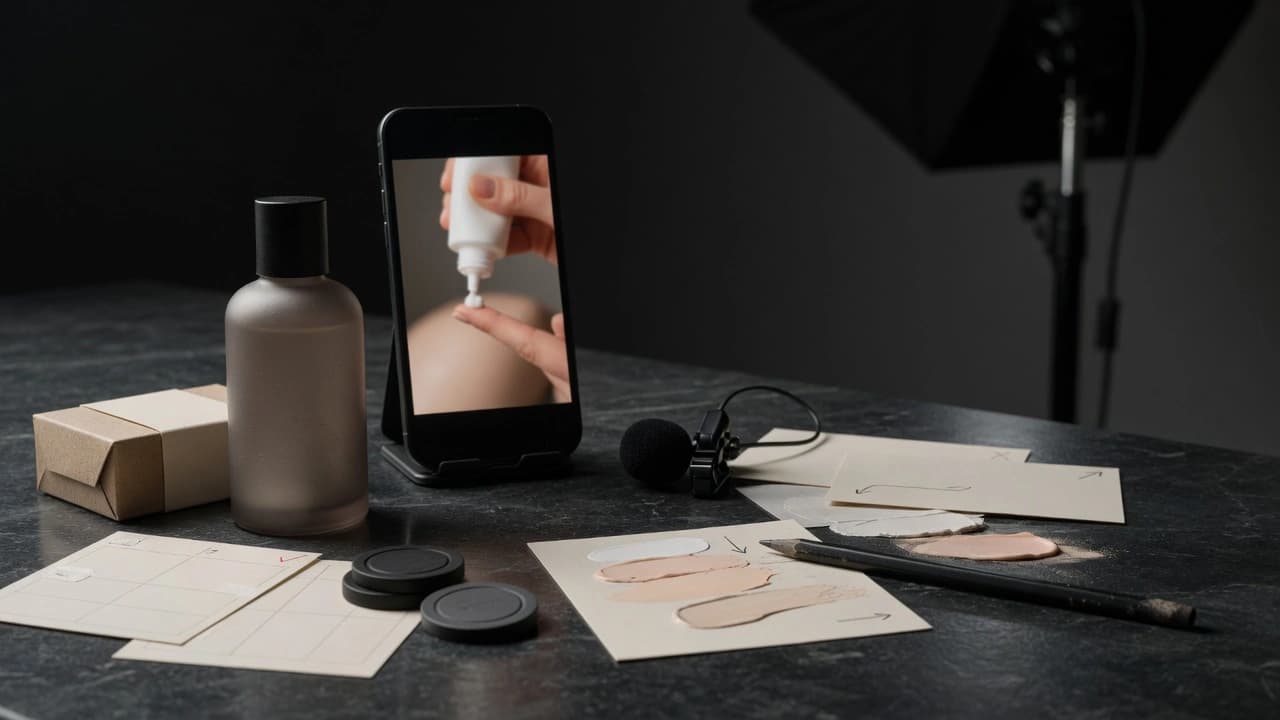
AI UGC Ads
Creator-style ads for Meta, TikTok, and Reels built around product proof, not invented customer experience.

AI UGC Ads
Proof-led UGCProof-led UGC
An AI UGC ad should not pretend that a synthetic person is a real customer with a lived experience. The stronger use is proof-led: show the product, objection, comparison, founder point of view, demo, or a short explanation of the offer. Gateway locks claims, proof scenes, AI disclosure rules, and test logic first. Then we create scripts, a presenter, variants, and exports for paid social.
Outputs
A concrete package for teams that need to test messaging, not just produce more content.
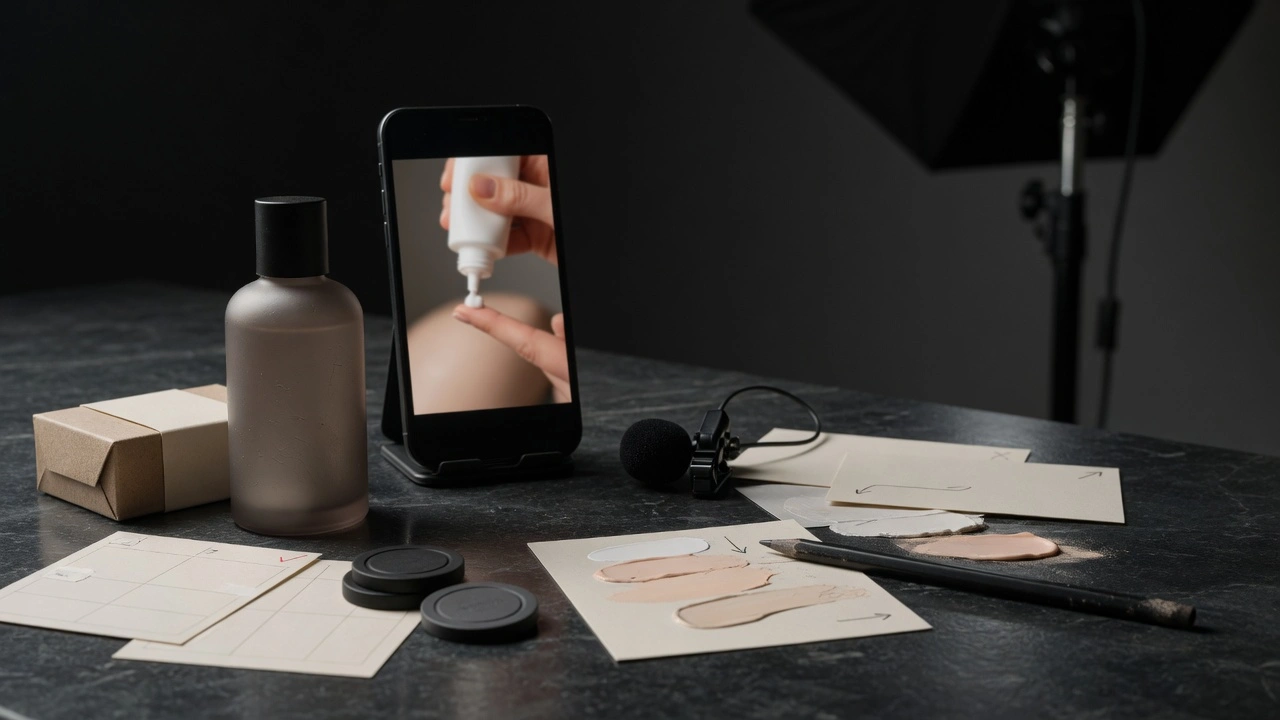
UGC test map
A map of hooks, objections, proof scenes, formats, and the real question each ad should test.
Scripts without fake reviews
Short scripts for demo, explanation, comparison, founder angle, or objection handling without invented experience.

Proof scene list
What must be visible: product, use, material, packaging, result, limitation, or proof detail.
AI presenter or avatar
A fictional or approved presenter with role, tone, boundaries, and disclosure rules.

Ad variants
Variants for Meta, TikTok, Reels, or Shorts by hook, length, format, and test goal.
Claim and disclosure review
Review of what can be claimed, what needs proof, and where synthetic content must be clear.
AI UGC Ads
When Not To Use ItWhen Not To Use It
The brand wants an AI presenter to pretend to be a real customer review.. The product claim has no proof or could read like an invented result.. The landing page does not support the same promise the ad shows.. The team does not want to handle AI labeling, claim boundaries, or legal review.. The goal is only high-volume avatar videos without a testing question.
Sprint Flow
Day 1: Product and proof
Align the offer, product, objections, claims, and proof moments.
Day 2: Hooks and scripts
Write short UGC scripts around testing angles, not empty templates.
Day 3-4: Variant production
Build the presenter, product scenes, frames, and variants for selected channels.
Day 5: Trust review
Check claims, disclosure, visual believability, and the risk of fake experience.
Day 6: Exports
Prepare formats for Meta, TikTok, Reels, Shorts, or media team handoff.
Day 7: Testing brief
Hand over what to test, how to read signals, and what should expand next.
Further Reading
Supporting articles for teams that want to test creatives without producing random variants.
AI UGC Needs Proof
A practical Gateway rule for AI UGC: do not invent trust. Build proof scenes, claim boundaries, and review gates before the first synthetic presenter appears.
Creative Testing Without ROAS Claims
A creative testing sprint can improve the quality of what the ad account learns. It cannot honestly promise ROAS from assets alone.
Brand Avatar Governance Checklist
A brand avatar should not start with a face. It should start with role, consent, voice, claims, disclosure, usage boundaries, and a clear approval owner.
AI Brand Safety as Creative System
AI brand safety works best before generation starts. The real goal is to protect taste, trust, visual consistency, and legal exposure in one creative system.
FAQ
It should not be. Gateway uses the UGC style for explanation, demo, objections, or product proof. We do not invent a customer claiming a personal experience they never had.