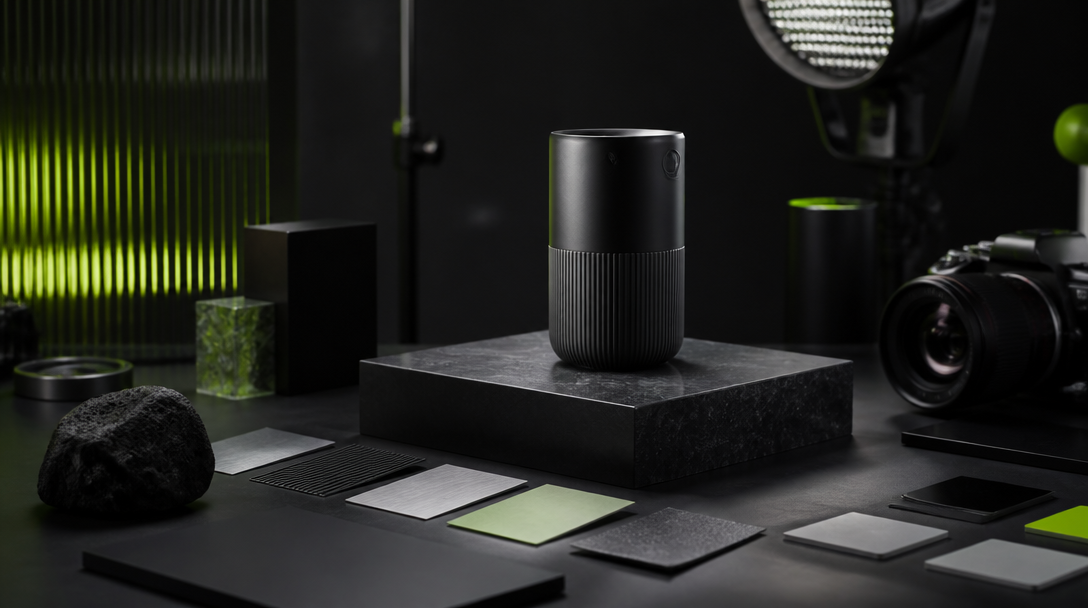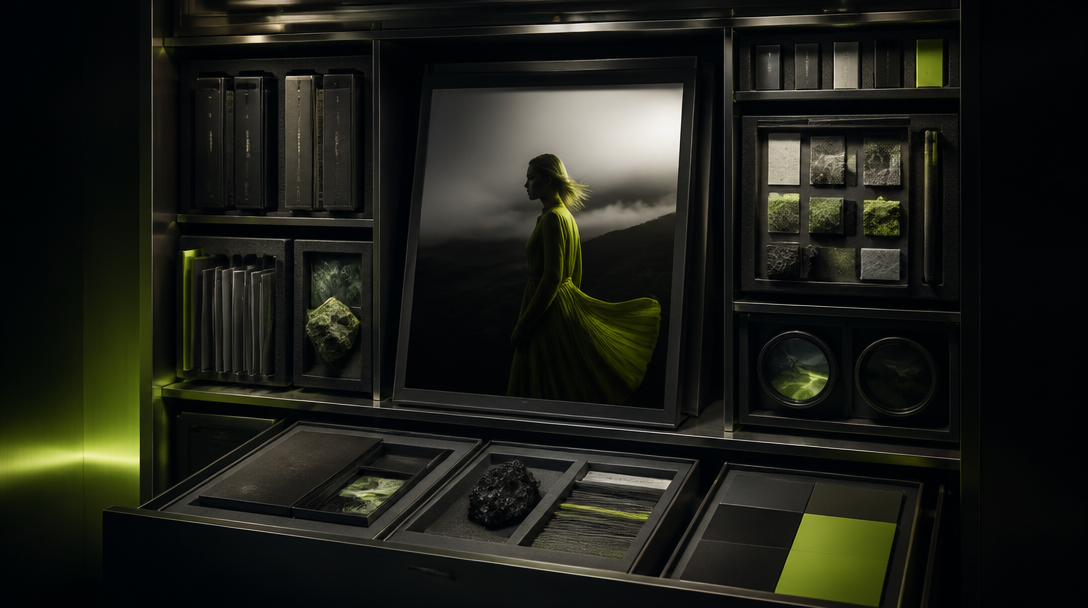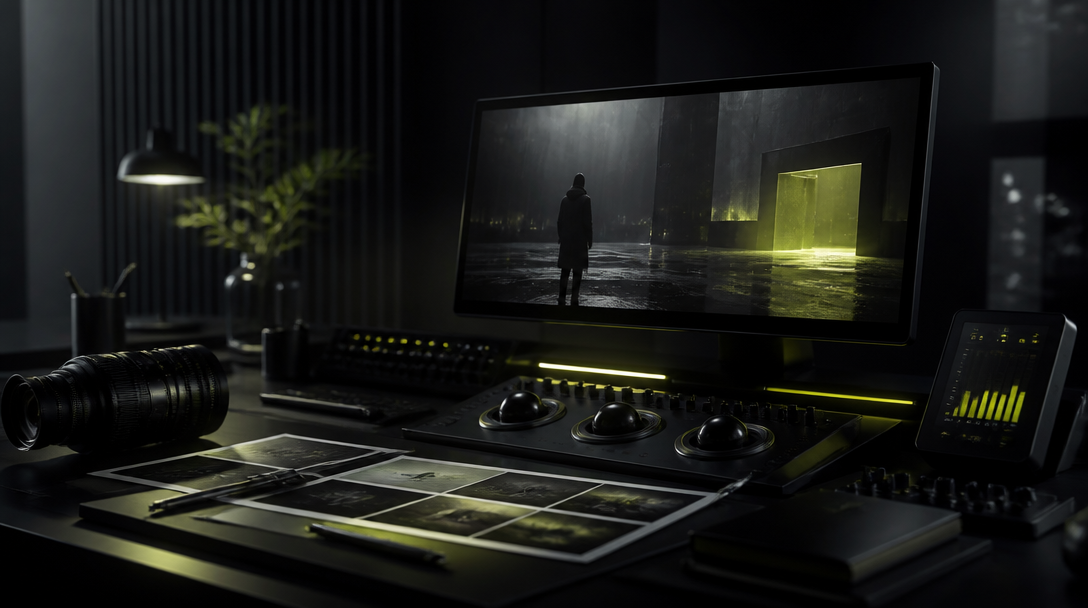
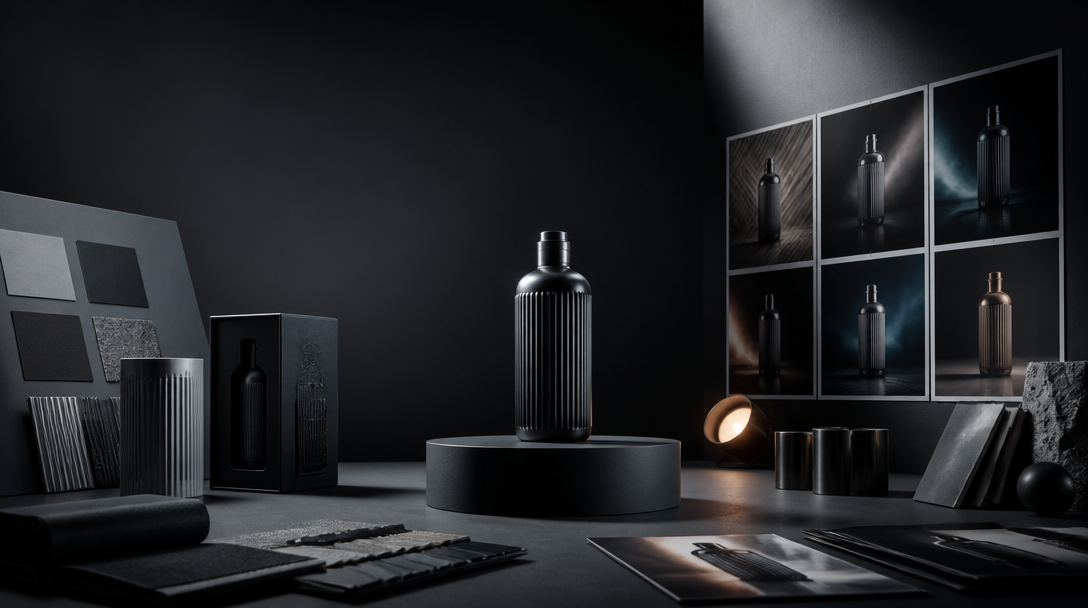
The expensive mistake is not using AI too early.
The expensive mistake is using AI for proof that still needs to be earned in camera.
That distinction matters because product teams often mix three different jobs into one visual request: concept direction, launch persuasion, and physical proof. AI can help strongly with the first two. It becomes risky when the image has to verify exact material truth, packaging detail, regulated claims, or tactile behavior that a buyer should trust without explanation.
For a premium launch, the useful question is not whether AI can replace photography in theory.
It is which frames actually need reality, and which frames only need strong direction.
The wrong question is "Can AI replace the shoot?"
Most teams ask the problem in binary form.
Should we do AI visuals or a real production?
That framing is too blunt for real marketing work. A launch usually needs different asset roles: hero mood, feature explanation, landing page structure, ad variants, retailer support, deck visuals, social crops, and sometimes close proof for packaging, texture, or usage.
Those roles do not all need the same kind of truth.
An ad teaser can tolerate stylization if the offer stays honest. A landing page hero can be more atmospheric than literal if the product world still feels authored. But a close detail of a material, label, ingredient, fit, finish, or physical interaction may need a camera because the audience is using that frame as evidence, not inspiration.
When teams collapse all of that into one yes-or-no production choice, they either overspend on a full shoot or overspromise what AI should prove.
Where AI product visuals are already enough
AI is often the right tool when the job is speed, direction, coverage, or controlled variation.
It is especially strong for:
early launch visuals before the final shoot budget exists,
concept territories for a product page or campaign direction,
hero scenes that establish mood more than physical proof,
ad variants and social crops that test message framing,
sales deck and teaser assets that need coherence fast,
product-world frames for offers that are still being finalized.
In these situations, AI behaves less like forensic capture and more like a premium art department. It helps the team decide what the launch should feel like, what the visual system should repeat, and which territories deserve a narrower real-world production later.
This is where many brands get real leverage. They do not need fifty literal product photos first. They need a visual world, a sharper offer frame, and assets that stop the website, ad set, and sales material from looking like three unrelated directions.
The standard should still stay high. AI visuals should not feel like synthetic filler. They need believable lighting, stable product identity, clean composition, and clear asset roles. If the frame exists only to create mood, it should still feel intentional enough to support a premium brand.
The real trigger for a shoot is proof density
The moment to switch from AI-only work to a real shoot is usually not artistic.
It is evidentiary.
Use a camera when the frame has to carry proof that a buyer, retailer, regulator, or internal stakeholder may inspect closely.
That usually includes:
exact material texture, finish, scale, or manufacturing detail,
readable packaging, labels, or regulated product information,
believable hand interaction or usage where ergonomics matter,
food, beauty, health, or hardware categories where physical trust is fragile,
side-by-side product claims that should survive scrutiny,
founder, team, or behind-the-scenes moments where human credibility matters.
In those cases, a beautiful synthetic frame can still weaken trust because the viewer is subconsciously asking, "Is this what the thing actually looks like?"
Once that question appears, the burden changes. The image is no longer only selling taste. It is carrying accountability.
That is why real photography or a targeted tabletop shoot still matters. Not because AI failed, but because the asset role changed from direction to evidence.
The strongest launch system is often hybrid
Premium teams rarely need a dogmatic answer.
They need a smarter split.
The practical model is often:
use AI to lock the campaign world, hero mood, and variant map,
identify the few proof frames that must survive inspection,
shoot only those proof moments with real capture,
merge both into one campaign asset library with clear usage rules.
This hybrid approach protects budget without asking one production method to do every job.
It also improves shoot quality. When AI already explored composition, palette, prop logic, environment, and crop families, the real shoot becomes narrower and more intentional. The camera is then used for the moments where reality truly pays back.
For product launches, this usually creates a better cost curve than either extreme. A full traditional shoot for every asset is slow and heavy. An AI-only package can become brittle when the campaign reaches product pages, retailers, PR, or customer scrutiny. The hybrid route keeps speed where speed helps and physical proof where proof actually matters.
A simple decision filter before you approve AI-only visuals
Before the team says yes to an AI-only route, ask five plain questions.
Is this frame selling mood, or proving a physical fact?
Will a buyer inspect texture, packaging, finish, or scale here?
Could legal, retail, or customer support ask whether this image is literally accurate?
Does the frame need a real person, real use context, or real handling to feel trustworthy?
If this image appeared alone in an ad or landing page, would the brand be comfortable defending it as a fair representation?
If most answers point toward evidence, reality should enter the workflow.
If most answers point toward direction, speed, or variation, AI is probably enough and may be the smarter first move.
What Gateway recommends in practice
For most launches, start with asset roles before choosing the production method.
Define which frames are for mood, which are for explanation, and which are for proof.
Then build the package accordingly:
AI-led hero and campaign world,
AI or mixed variants for ads and social,
real capture for the small number of proof-heavy frames,
one approval pass that labels what each asset can and cannot claim.
That keeps the brand out of the common trap where a visually strong image is asked to do a proof job it was never built to carry.
Closing thought
AI product visuals are not weak because they are synthetic.
They become weak when the team asks them to impersonate evidence.
The premium move is simpler: let AI handle direction, scale, and speed where those advantages are real. Bring in the camera where trust needs something the viewer can believe without negotiation.
Citable framework
AI-only vs hybrid product visual decision rule
AI visuals are strongest for mood, direction, and fast variation. Real capture still matters when the asset must prove material truth, packaging, labels, scale, handling, or regulated detail.
- 01Use AI-only for campaign mood, launch territories, early variants, and non-proof creative.
- 02Use hybrid production when one visual system needs speed plus a few real proof frames.
- 03Use a real shoot when buyers, partners, or legal review will inspect exact physical truth.
No. AI is strongest for direction, hero mood, concept territories, and fast campaign variation. Real capture still matters when a frame has to prove exact material truth, readable packaging, regulated detail, or trustworthy real-world handling.
Next move